
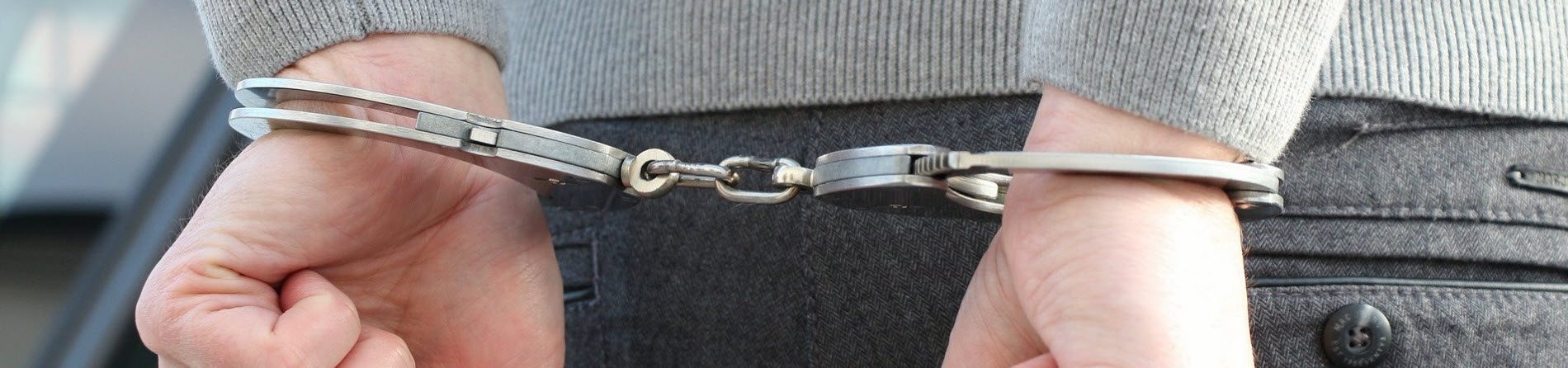

Dealing with the arrest of a minor can be stressful, confusing, and overwhelming for families. In Washington State, juvenile cases are treated differently from adult cases, and understanding the bail process is essential to protecting the child’s rights and ensuring they are treated fairly. While juveniles are presumed innocent, parents and guardians must navigate legal procedures carefully. Today, we at Casey’s Bail Bonds would like to discuss how to Handle Bail for Juveniles in Washington State.
Understanding Juvenile Detention in Washington
In Washington State, juveniles under the age of 18 who are accused of a crime are typically processed through the juvenile justice system, which focuses more on rehabilitation than punishment. Unlike adults, juveniles are generally placed in detention facilities rather than jails, and the court aims to minimize time spent in detention whenever possible. The purpose of this approach is to reduce the long-term impact on the child’s life while ensuring accountability and public safety.
Bail for Juveniles: Key Differences
In many adult cases, bail allows a person to be released from jail while awaiting trial. For juveniles, the process is a bit different. In Washington, the court may release a juvenile to the custody of a parent or guardian rather than requiring a traditional cash bail. Courts evaluate factors such as the severity of the alleged offense, the juvenile’s past record, and their ties to the community. The goal is to ensure the juvenile appears for future court dates without unnecessary incarceration.
Steps to Handle Bail for a Juvenile
1) Contact a Bail Bondsman Experienced with Juveniles. Although not always necessary, some cases may require posting a bond. Choosing a bondsman familiar with juvenile cases can help you navigate the legal requirements and paperwork efficiently.
2) Attend the Detention Hearing Promptly. After a juvenile is taken into custody, a detention hearing typically occurs within 24 to 72 hours. Parents or guardians must attend to present evidence that the child can be safely released to their care. Legal representation is strongly recommended.
3) Provide Necessary Documentation. The court may require proof of guardianship, school enrollment, or other documentation demonstrating stability and responsibility. Preparing these documents in advance can expedite the release process.
4) Follow Court Instructions Carefully. Juvenile cases often come with strict conditions, such as curfews, counseling, or community service requirements. Compliance with these conditions is crucial for the child’s continued release and can positively influence future court outcomes.
When Bail May Be Denied
In serious cases, such as violent felonies or repeated offenses, the court may decide that releasing a juvenile is not safe. In these situations, legal counsel will help determine the next steps, which may include appeal or alternative programs.
Bail Bond Services in Shelton, Tacoma, Seattle, Bellevue, Port Townsend, Port Orchard & Bremerton, WA
Handling bail for a juvenile in Washington State requires understanding the unique aspects of the juvenile justice system and being prepared to cooperate with the court. Parents and guardians should remain calm, act quickly, and seek professional legal or bail assistance if needed. By doing so, they can protect their child’s rights while ensuring the best possible outcome in a challenging situation. Call Casey’s Bail Bonds if you need juvenile bail bons.
