
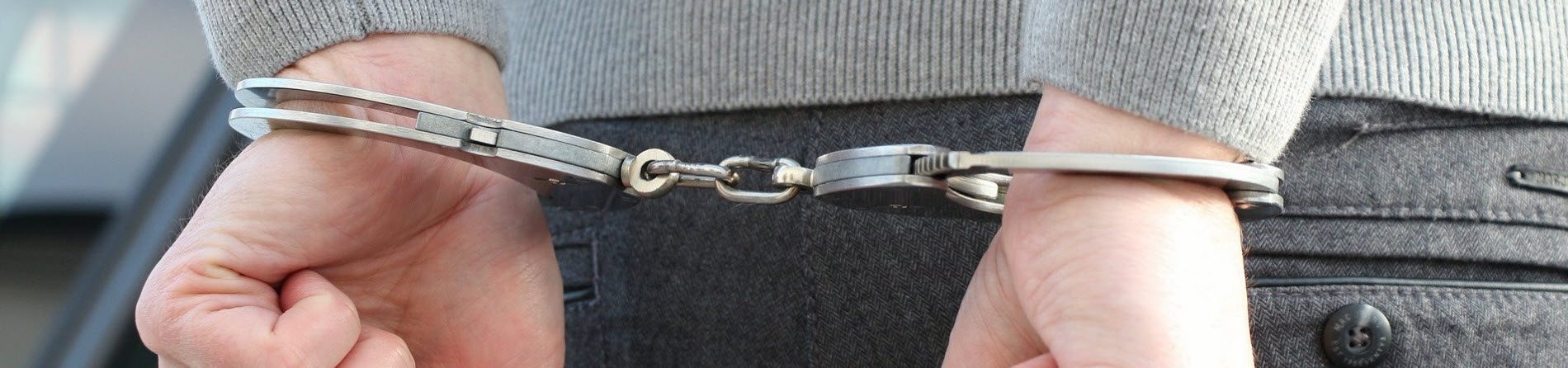

When someone is arrested in Washington, one of the first steps in the legal process is a bail hearing. At this stage, a judge determines whether the defendant can be released before trial and, if so, what amount of bail is appropriate. In the state of Washington, bail decisions are not random, they are guided by specific legal factors intended to balance public safety with the defendant’s constitutional right to pretrial release. Today, we at Casey’s Bail Bonds would like to share what courts in Washington consider when setting bail.
Nature & Severity of the Charges
One of the most important factors courts consider is the seriousness of the alleged offense. Violent crimes, such as assault, robbery, or homicide, typically result in higher bail amounts or even denial of bail in extreme cases. On the other hand, non-violent offenses like minor theft or certain misdemeanors may result in lower bail or release on personal recognizance.
Judges look at whether the charge involves danger to others, repeated criminal behavior, or significant harm. The more severe the allegation, the higher the perceived risk, which directly impacts the bail decision.
Criminal History of the Defendant
A defendant’s past record plays a major role in determining bail. If someone has prior convictions, especially for similar offenses, courts may view them as a higher risk for reoffending or failing to appear in court.
In Washington courts, repeat offenders or individuals with outstanding warrants are often assigned higher bail amounts. In some cases, prior failures to appear in court can weigh more heavily than the original charge itself.
Flight Risk Assessment
Another key consideration is whether the defendant is likely to flee before their court date. Judges evaluate ties to the community, such as stable employment, family connections, and long-term residence in Washington.
Someone with strong local ties is generally considered a lower flight risk and may receive reduced bail. Conversely, individuals with no fixed address, unstable employment, or connections outside the state may face higher bail amounts or stricter conditions.
Public Safety Concerns
Courts also evaluate whether releasing the defendant could pose a threat to the public. This includes assessing the nature of the alleged crime, any history of violence, and whether the defendant is accused of committing crimes while already out on bail or probation.
If a judge believes releasing the individual could endanger others, bail may be set very high, or denied altogether in rare cases.
Financial Ability to Pay
Although bail is not supposed to be punitive, courts sometimes consider the defendant’s financial situation to ensure bail is not set at an excessive, unrealistic amount. The goal is to balance fairness with accountability, though in practice, higher-risk cases still result in higher bail regardless of income.
Bail Bond Services in Shelton, Tacoma, Seattle, Bellevue, Port Townsend, Port Orchard & Bremerton, WA
In Washington, bail is determined through a careful evaluation of multiple factors, including the severity of the charge, criminal history, flight risk, and public safety concerns. Understanding these considerations can help defendants and families better navigate the process and respond quickly when a bail situation arises. Call Casey’s Bail Bonds if you or a loved one are in need of bail.
